A Portfolio Vinhos, empresa de distribuição da Symington Family Estates, passou a ter recentemente, a representação exclusiva do produtor espanhol, Marqués de Riscal. Ao longo dos seus 166 anos de história, a empresa do país vizinho consolidou um portefólio único de vinhas nas regiões de Rioja, Castilla y León e Rueda. Actualmente, o Marqués de […]
A Portfolio Vinhos, empresa de distribuição da Symington Family Estates, passou a ter recentemente, a representação exclusiva do produtor espanhol, Marqués de Riscal.
Ao longo dos seus 166 anos de história, a empresa do país vizinho consolidou um portefólio único de vinhas nas regiões de Rioja, Castilla y León e Rueda. Actualmente, o Marqués de Riscal exporta para cerca de 110 países.
Há uma década, a empresa assumiu um compromisso com a agricultura biológica, porque considera que “o respeito pelo meio ambiente, entre outros pelos ecossistemas e pela sua fauna autóctone, torna o cultivo mais sustentável e prolonga a vida das vinhas, assegurando a qualidade futura dos vinhos”. A empresa possui 350 hectares de vinha certificada em Rueda e 370 hectares em Rioja, com pouco mais de 100 em conversão.
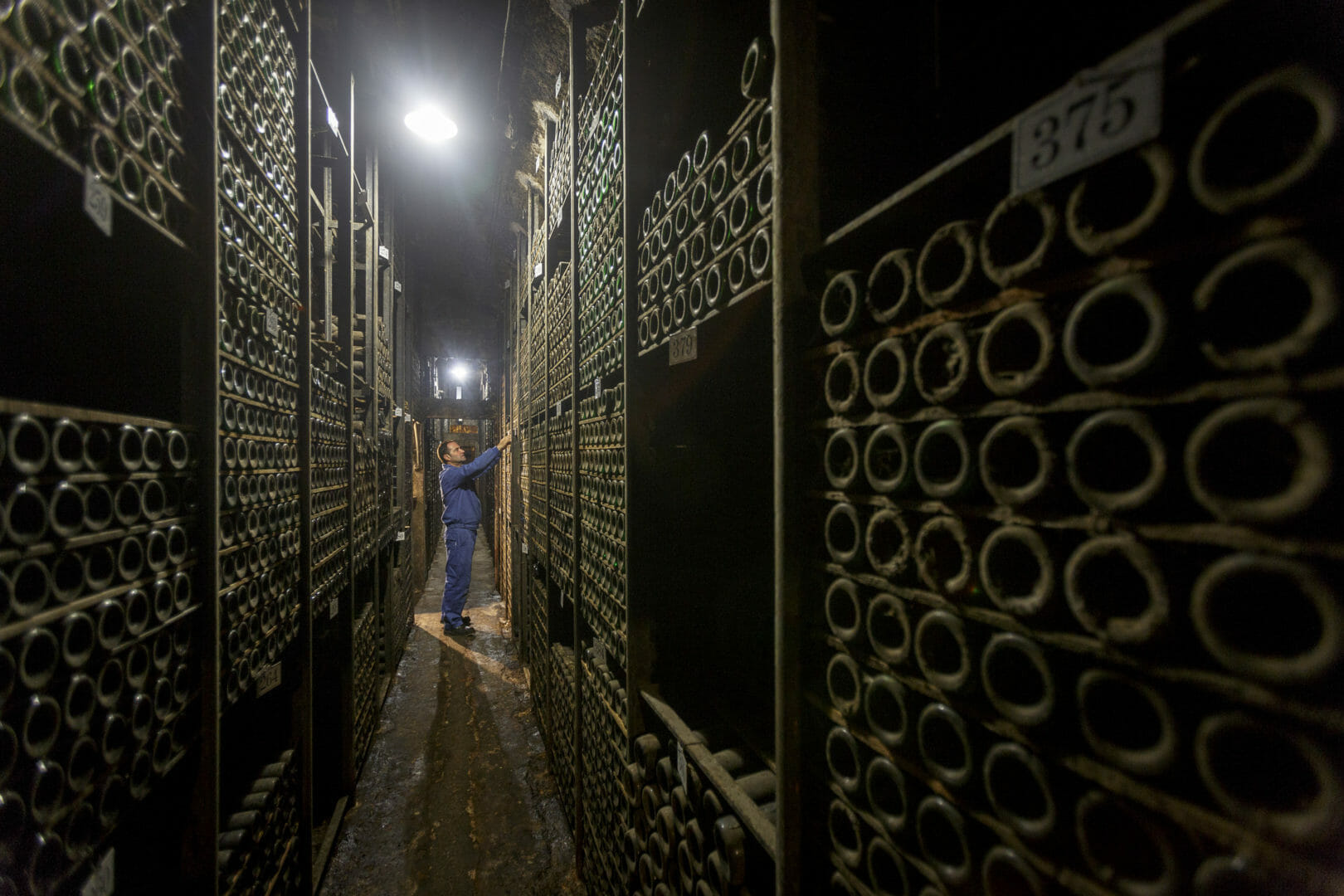
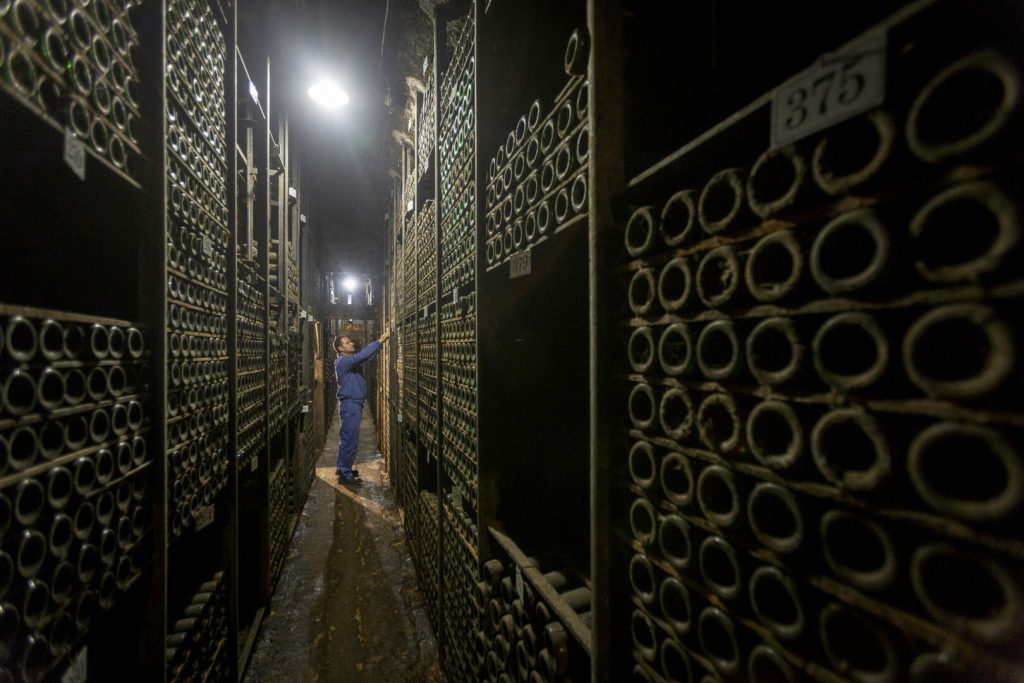
Em 2011, a Marqués de Riscal foi escolhida como uma das 10 marcas de vinho mais estimadas do mundo pela publicação Drinks International e, em 2013, a revista Wine Enthusiast concedeu-lhe o título de Melhor Adega Europeia. Além da qualidade dos vinhos que produz, a empresa é conhecida por ter criado a Cidade do Vinho – La Ciudad del Vino – projecto de enoturismo de grande dimensão, originalidade e impacto visual, que integra o Hotel Marqués de Riscal, desenhado pelo arquitecto canadiano Frank O. Gehry, o Spa Vinothérapie® Caudalie, quatro áreas de restauração sob a consultoria do Chef Francis Paniego – o restaurante Marqués del Riscal, distinguido com uma estrela Michelin, o restaurante 1860 Tradicíon, o Vinoteca & Bistrô e o Asador Torrea – e ainda a adega centenária do Marqués de Riscal, a mais antiga de Rioja.

Não é fácil falar de Rioja sem referir a Marqués de Riscal. E, definitivamente, não se fala de arquitectura de adega sem se apontar este produtor. Um gigante da região, que não poupa na qualidade dos vinhos. TEXTO Mariana Lopes FOTOS Marqués de Riscal O caminho do aeroporto de Bilbau para Elciego, onde se encontram […]
Não é fácil falar de Rioja sem referir a Marqués de Riscal. E, definitivamente, não se fala de arquitectura de adega sem se apontar este produtor. Um gigante da região, que não poupa na qualidade dos vinhos.
TEXTO Mariana Lopes
FOTOS Marqués de Riscal
O caminho do aeroporto de Bilbau para Elciego, onde se encontram as “bodegas” Marqués de Riscal, faz-se por estradas rápidas rodeadas por grandes aflorações rochosas e vegetação de tons verdes. Uma hora e meia de viagem que dá para lavar a vista, em que o cenário induz uma espécie de acalmia. Entretanto, começamos a pensar nessas rochas e em como será assim o solo da Rioja e da zona onde estão as vinhas da Marqués de Riscal. Errado! À medida que vamos ficando mais perto, começa a aparecer um argilo-calcário bem evidente para nos lembrar que a diversidade também assiste à Espanha vitivinícola.
Bodegas de los Herederos del Marqués de Riscal, é o nome. Em 1858, D. Guillermo Hurtado de Amézaga, o dito Marquês, fundou ali em Elciego a adega que lhes daria origem. O seu filho, D. Camilo, continuou o negócio, um diplomata e editor liberal, proprietário do jornal El Día, que acabou por se apaixonar profundamente pela arte de fazer vinho. Estes não tardaram em convidar um mestre adegueiro francês, Jean Pineau, para que os métodos bordaleses fossem ali aplicados. Na verdade, o sonho de D. Guillermo era construir um autêntico “château” à maneira francesa naquelas terras, que à data tinham o nome Finca de Torrea. Assim o fez, implementando técnicas científicas à frente do seu tempo, tanto na vinha como na adega, e na engenharia dos edifícios. Colocou ao seu dispor, inclusive, uma tanoaria para que o seu vinho descansasse nas melhores barricas.
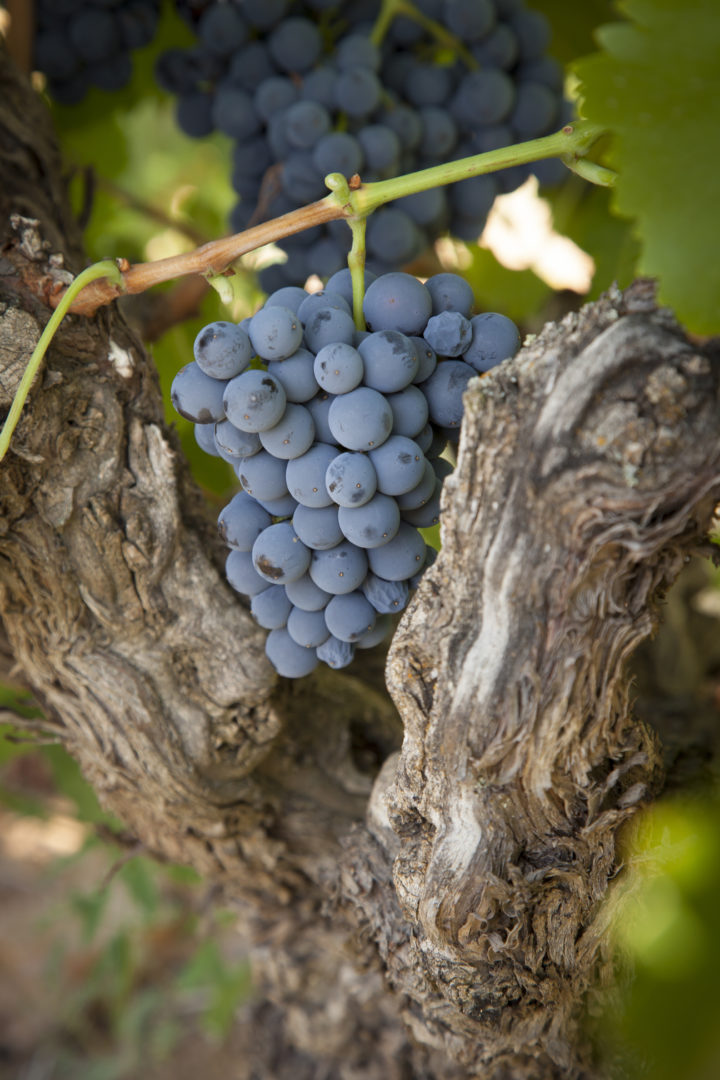
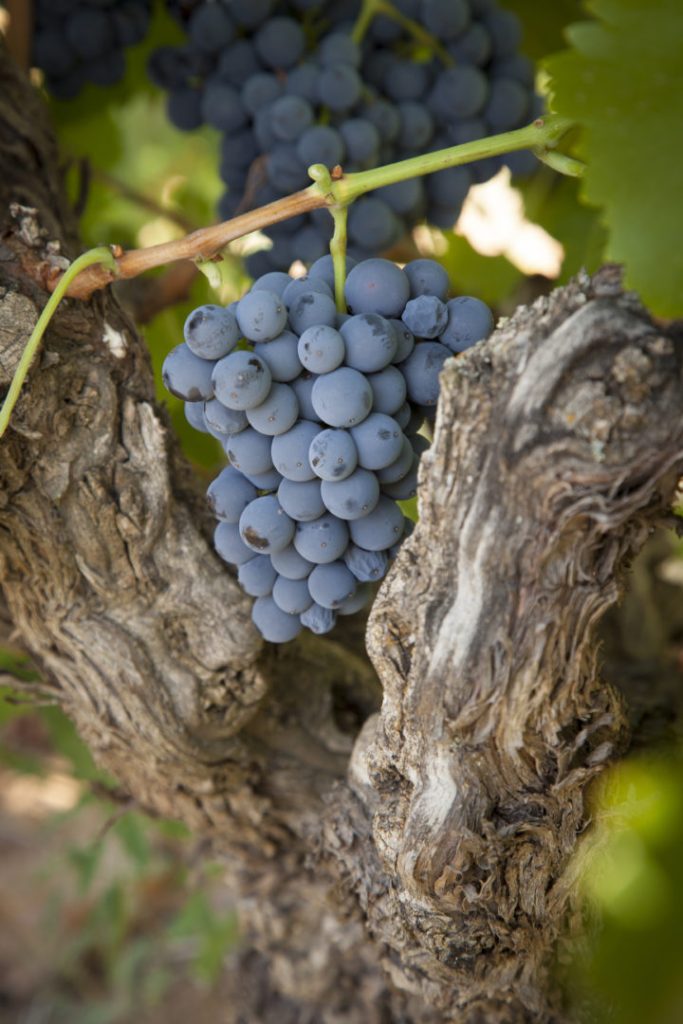
Em 1862, já estavam a ser engarrafados os primeiros vinhos, bem antes do reconhecimento oficial da Rioja como Denominação de Origem Controlada (em Espanha “Calificada”), que se deu em 1991, apesar de a região em si já existir e produzir há um par de séculos. É uma região com uma área de vinha plantada total de mais de 61 mil hectares, e a Marqués de Riscal, na sub-região de Rioja Alavesa, utiliza uvas de 1500, sendo 500 dos quais próprios e os restantes de fornecedores controlados pela empresa. Mais de metade desses vinhedos, todos de uvas tintas e vindimados manualmente, estão em regime orgânico, apesar das garrafas ainda não o ostentarem e lá não pode faltar, pela importância que tem nesta DOC, a uva Tempranillo (a nossa Tinta Roriz), que representa 92% da produção de Riscal. Predominante, é uma uva de ciclo curto e cultivo sensível, tanto em Portugal como no país vizinho. Depois, a variedade Graciano, de amadurecimento tardio, vigorosa e bastante produtiva, está presente em 7% e confere as notas de bosque aos vinhos. Também a uva Mazuelo, de carácter mais rústico e, actualmente, a desaparecer, se encontra em quantidades residuais, oferecendo frescura e notas especiadas. A Cabernet Sauvignon, por sua vez, também desempenha um papel bastante importante nos tintos destas bodegas, mas a situação não é simples, pois esta casta tão popular no Mundo já não pode ser plantada na Rioja, proibida pelo conselho regulador da Denominação. No entanto, há uma excepção: por ter sido plantada nos solos da Marqués de Riscal muito antes da criação da região vitivinícola, é autorizada a sua utilização nos vinhos desta casa, desde que não conste em rótulos e fichas técnicas e enquanto apenas aquelas parcelas lá plantadas existam. Escusado será dizer que são videiras cuidadas com muita preocupação. Assim, quando se lê “e outras”, no rol de castas escrito numa garrafa deste produtor, já sabemos que estamos perante uma percentagem de Cabernet Sauvignon. Curiosa também é a idade das vinhas: as mais novas com 15 anos e a mais velha de 1902. De facto, é o produtor com mais vinhas de idade superior a 80 anos, em toda a Espanha e, segundo os próprios, “com maior número de vinhas plantadas antes de 1970, em todo o Mundo”.
Bastante mais tarde, a Marqués de Riscal chegou à Rueda, começando a fazer vinho branco nesta região em 1972, tendo sido impulsionadora da criação desta Denominação de Origem em 1980. A uva autóctone Verdejo era (e é) a eleita, como não poderia deixar de ser, mas a empresa introduziu ali a francesa Sauvignon Blanc, em 1974, para dela também fazer vinhos monovarietais.
How NoCasinosDeposit Explains No Deposit Bonuses to New Zealand Players
New Zealand’s online gambling landscape has evolved considerably over the past decade, and with it, the range of promotional structures that offshore casino operators use to attract players from the country. Among the most discussed — and most misunderstood — of these promotions is the no deposit bonus. Unlike a standard welcome bonus that requires a player to fund their account before receiving a reward, a no deposit bonus is credited without any initial financial commitment from the player. This distinction sounds simple enough, but the practical implications — wagering requirements, eligible games, withdrawal caps, verification rules, and expiry windows — introduce a layer of complexity that catches many new players off guard. Understanding how these bonuses actually function, rather than how they appear in a headline, is essential for anyone in New Zealand who wants to engage with them meaningfully.
The Regulatory Context Shaping No Deposit Bonuses for New Zealand Players
New Zealand occupies an unusual position in the global online gambling market. The Gambling Act 2003 remains the primary legislative framework governing gambling in the country, and under its provisions, it is technically illegal for operators to offer online casino games to New Zealand residents unless they are licensed by the New Zealand Racing Board or operate under specific exemptions. In practice, however, the law does not criminalise the act of playing at offshore sites — only the act of operating an unlicensed service within the country. This distinction has created a grey market where hundreds of offshore operators, primarily licensed in jurisdictions such as Malta, Gibraltar, Curaçao, and the Isle of Man, accept New Zealand players without legal consequence to those players.
This regulatory ambiguity has direct consequences for how bonuses are structured and communicated. Because no New Zealand-based regulatory authority oversees the terms and conditions attached to these offshore promotions, there is no standardised disclosure requirement. An operator licensed by the Malta Gaming Authority (MGA) must comply with MGA guidelines on bonus transparency, which since 2018 have required clearer wagering requirement disclosures and restrictions on the use of deposit bonuses in certain circumstances. However, many operators targeting New Zealand players hold Curaçao licences, which carry significantly lighter consumer protection obligations. The result is that New Zealand players encounter a wider variance in bonus quality and transparency than players in, say, the United Kingdom, where the Gambling Commission has enforced strict bonus advertising rules since 2017.
This context matters when evaluating no deposit bonuses specifically, because these offers are frequently the first point of contact between a player and an operator. A no deposit bonus of NZ$20 in free credits or 20 free spins with no upfront cost appears attractive — and it may genuinely be so — but the conditions attached to converting that bonus into withdrawable funds can vary dramatically depending on the operator’s licensing jurisdiction and internal policies. Players who understand this regulatory backdrop are better positioned to read bonus terms critically rather than taking promotional copy at face value.
How No Deposit Bonuses Are Structured and What the Terms Actually Mean
The mechanics of a no deposit bonus can be broken into several components, each of which affects the real-world value of the offer. The first is the bonus amount itself, which in the New Zealand market typically ranges from NZ$5 to NZ$30 in bonus funds, or between 10 and 50 free spins on a designated slot title. This figure is the one most prominently advertised, but it is the least informative metric for evaluating the offer’s actual utility.
Wagering requirements — sometimes called playthrough requirements — are the multiplier applied to the bonus amount that a player must generate in bets before any winnings become eligible for withdrawal. A no deposit bonus of NZ$20 with a 40x wagering requirement means the player must place NZ$800 in qualifying bets before withdrawing. Some operators apply the requirement to the bonus amount only; others apply it to the bonus plus any winnings generated from it. The distinction is significant. If a player wins NZ$50 from a NZ$20 bonus and the 40x requirement applies to the combined NZ$70, the total qualifying wager rises to NZ$2,800 — a threshold that most players will not reach within the bonus validity window, which is commonly set at between three and seven days for no deposit offers.
Game contribution rates add another layer. Wagering requirements are rarely fulfilled equally across all casino games. Slot games typically contribute 100% of each bet toward the requirement, while table games such as blackjack or roulette may contribute as little as 10% or be excluded entirely. Video poker is frequently excluded from bonus play altogether. This means that a player who prefers table games may find a no deposit bonus effectively inaccessible, even if the headline terms do not explicitly state this restriction.
Maximum withdrawal limits are perhaps the most consequential and least-discussed restriction on no deposit bonuses. Many operators cap the amount a player can withdraw from winnings generated by a no deposit bonus at a fixed sum — commonly NZ$50 to NZ$100, though some set the cap as low as NZ$20. This means that regardless of how much a player wins while meeting the wagering requirement, only a fraction of those winnings can be cashed out. A player who turns NZ$20 into NZ$500 through legitimate play may discover they can withdraw only NZ$50 once all conditions are met. Resources like no-casinos-deposit.com document these specific withdrawal caps across different operators, which allows players to compare the actual ceiling on returns before committing time to meeting wagering requirements.
Verification and identity requirements also interact with no deposit bonuses in ways that are not always transparent upfront. Most operators require Know Your Customer (KYC) verification — submission of government-issued ID, proof of address, and sometimes proof of payment method — before processing any withdrawal. For a no deposit bonus, where the player has not yet deposited funds, this requirement can feel unexpected. Some operators delay the KYC request until a withdrawal is attempted, at which point the player may discover that documents take several business days to verify, during which the bonus expiry window may close. Others require KYC completion before the bonus is even credited. Understanding which approach an operator uses is a practical consideration that affects whether a no deposit bonus is realistically redeemable.
How NoCasinosDeposit Approaches Bonus Explanation for a New Zealand Audience
NoCasinosDeposit operates as an information and comparison resource specifically oriented toward players who are evaluating no deposit offers, with content calibrated to the regulatory and market conditions that New Zealand players face. The approach the platform takes is notable for its emphasis on the mechanics of bonus terms rather than the promotional value of any particular offer. Rather than ranking bonuses by headline size — which would privilege the least restrictive or most generous-sounding offers without accounting for their actual achievability — the platform focuses on breaking down the component parts of each offer in a way that allows a player to calculate expected value independently.
This matters in the New Zealand context for a specific reason: because the country’s players are accessing offshore sites operating under a range of licensing jurisdictions, the variance in bonus quality is genuinely wide. A Curaçao-licensed operator and an MGA-licensed operator may both advertise a NZ$25 no deposit bonus, but the wagering requirements, game restrictions, withdrawal caps, and verification timelines attached to each may differ substantially. A resource that explains these differences in concrete terms — rather than simply listing which casinos offer no deposit bonuses — provides more actionable information for a player trying to make a rational decision.
The platform also addresses a common source of confusion specific to New Zealand players: currency conversion and bonus eligibility. Many offshore operators advertise bonuses in USD or EUR, and the conversion to NZD at the time of crediting can affect the real value of the offer. A USD$20 no deposit bonus converts to approximately NZ$33 at mid-2024 exchange rates, but if the operator’s wagering requirement is applied in USD, the actual NZD amount a player must wager to clear the bonus is higher than a straightforward NZD calculation would suggest. This currency layer is frequently overlooked in general bonus guides that are not specifically written for New Zealand players.
Additionally, NoCasinosDeposit provides context around which operators have historically honoured no deposit bonus withdrawals without introducing additional obstacles at the withdrawal stage. This is a practical dimension of bonus evaluation that cannot be determined from terms and conditions alone — it requires tracking how operators have handled withdrawal requests in practice, including whether they have applied additional verification steps, delayed payments, or imposed undisclosed restrictions after the wagering requirement was met. This kind of experiential information is difficult for individual players to accumulate and is one area where a dedicated comparison resource adds genuine informational value beyond what an operator’s own promotional materials would provide.
Practical Considerations for New Zealand Players Evaluating No Deposit Offers
For a New Zealand player approaching a no deposit bonus offer, several practical questions should be answered before accepting the promotion. The first is whether the operator accepts New Zealand players under its current licensing terms and whether NZD is a supported currency. Some operators technically accept NZ registrations but do not support NZD accounts, meaning all transactions are processed in a foreign currency and subject to conversion costs that erode the value of both the bonus and any subsequent deposits.
The second question concerns the realistic probability of meeting the wagering requirement within the validity window. This can be estimated with basic arithmetic. A NZ$20 bonus with a 40x requirement means NZ$800 in qualifying bets. If a player is willing to spend one hour on a slot game with a minimum bet of NZ$0.20 per spin and averages 400 spins per hour, they will generate NZ$80 in total wagering per hour, meaning the requirement would take approximately ten hours of play to complete — a commitment that most casual players will not make for a NZ$20 bonus with a NZ$50 withdrawal cap. Framing the offer in these terms makes its practical value considerably clearer than the headline figure suggests.
The third consideration is the operator’s withdrawal processing time and minimum withdrawal threshold. Some operators set minimum withdrawal amounts at NZ$20 or NZ$30, which means that even if a player successfully meets the wagering requirement and earns the maximum withdrawable amount under the bonus cap, they must still meet the minimum withdrawal threshold. For a bonus with a NZ$20 withdrawal cap and a NZ$30 minimum withdrawal, the player cannot withdraw their winnings without making a deposit to bring their balance above the threshold — which effectively converts the no deposit bonus into a conditional deposit requirement.
Finally, players should consider the data privacy implications of registering at offshore operators. Completing KYC verification involves submitting sensitive personal documents to operators that may not be subject to New Zealand’s Privacy Act 2020 or equivalent data protection legislation in their licensing jurisdiction. Curaçao, for instance, does not have a data protection framework comparable to the European Union’s General Data Protection Regulation, which applies to MGA-licensed operators. This is not a reason to avoid all offshore casinos, but it is a factor worth considering when deciding how much personal information to submit and to which operators.
No deposit bonuses remain one of the more genuinely useful promotional mechanisms in online gambling when approached with accurate expectations — they allow players to experience an operator’s platform and software quality without financial risk, and when the terms are favourable, they can result in small but real cash withdrawals. The challenge is that the gap between the advertised offer and the practical reality is often significant, and navigating that gap requires a level of literacy about bonus mechanics that most first-time players do not arrive with. Resources that build that literacy by explaining terms in concrete, quantitative terms — rather than simply listing which casinos offer the promotions — serve a genuinely useful function for New Zealand players operating in a market where regulatory protections are limited and operator quality varies considerably.
La Ciudad del Vino
Este espírito vanguardista é algo que se perpetuou ao longo das gerações seguintes desta família. Sempre com a ambição de liderar o movimento tecnológico da Rioja, a Marquês de Riscal instalou, em 1995, a primeira mesa de escolha de uva da região. Cinco anos depois, começaram a ampliar as instalações de vinificação, onde trabalham 120 pessoas em permanência, que incluem um pavilhão impactante de 125 depósitos de inox, com capacidade para 20 mil quilos, onde fermentam, separadamente, 10 milhões de quilos de uva, por ano. Os padrões de qualidade da matéria-prima da empresa são altos, e é por isso que a qualidade geral, para tanto vinho, é muito elevada. As uvas que não correspondem a esses padrões, são vendidas a outros produtores, e tudo é aproveitado: várias prensagens com destino a vários vinhos, e as películas das uvas para cosmética e fertilizantes naturais.
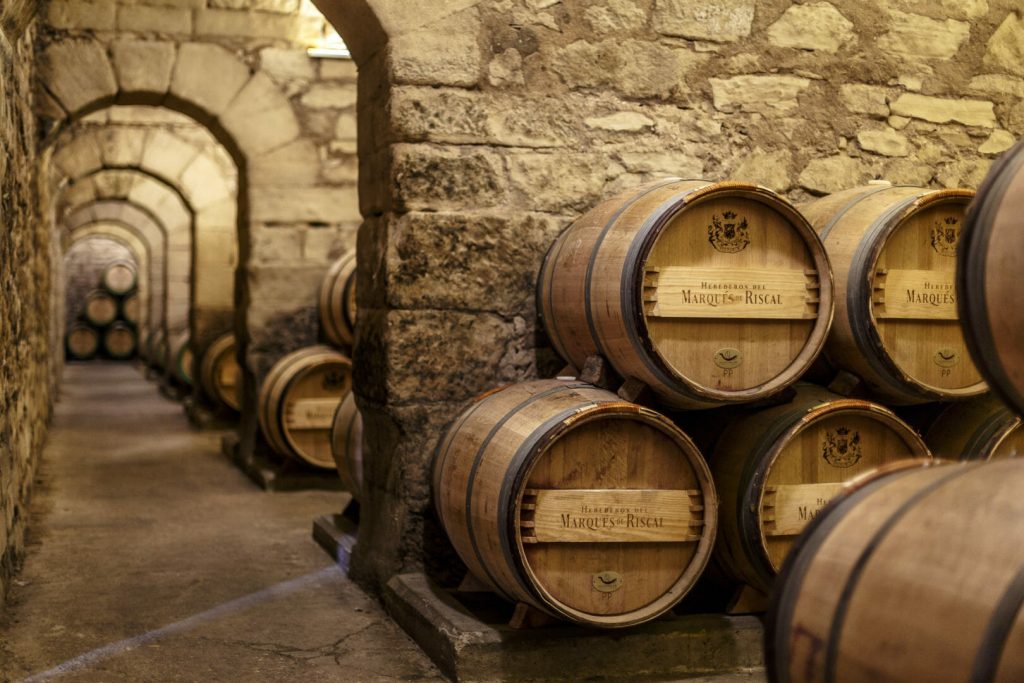
Na parte antiga da adega, construída em pedra arenisca, encontram-se depósitos de betão onde toda a pisa é feita a pé. Lá fora, não passam despercebidas as muitas paredes verdes que ajudam a climatizar os labirintos que escondem 37 mil barricas. São todas de 225 litros, pois assim a Rioja o ordena, de carvalho americano (para as gamas mais baixas) e francês (para os vinhos mais ambiciosos).
Em 2006, com a finalização do hotel, todo o recinto foi inaugurado como La Ciudad del Vino. E que hotel! Assinado pelo arquitecto canadiano Frank O. Gehry, é uma autêntica escultura em tamanho gigante, cujas cores ondulantes se vêm de longe, na estrutura de titânio e aço: o rosa, a representar o vinho, o dourado, da malha que cobre a garrafa mais famosa do produtor, e o prateado, que simboliza a cápsula. “Tinha de ser algo que estivesse bem integrado com o terreno, as vinhas, com o povo de Elciego e a catedral. Tinha de ser festivo e apaixonante porque, acima de tudo, o vinho é alegria e prazer”, foi a declaração de O. Gehry. Os 43 quartos de luxo passarão, em breve, a 57, numa experiência que inclui um SPA Caudalie e dois restaurantes premium. Um deles, o Gastronómico Marqués de Riscal, galardoado com uma Estrela Michelin, é conduzido pelo chef Francis Paniego, o primeiro da Rioja com Estrela.
Com as Sierras de la Demanda e de Cantabria em plano de fundo, este hotel e a adega trazem 120 mil visitantes por ano àquele sítio, tendo grande impacto também no turismo da região. Um projecto de mais de 40 milhões de euros, que vale cada cêntimo.
 Vinhos surpreendentes
Honrando o legado familiar, Francisco (Paco) Hurtado de Amézaga é o director técnico da empresa, na Rioja, e o seu filho Luís faz a enologia da parte Rueda. São 12 milhões de garrafas, no total, sete na primeira região e cinco na segunda, das quais 60% vai para 103 países. Em Portugal, a distribuidora Vinalda representa seis das referências do portefólio Marqués de Riscal: Sauvignon Blanc Bio branco, Limousin branco, Reserva tinto, Grande Reserva tinto, Baron de Chirel tinto e Proximo tinto. Com a filosofia “drinkability”, este produtor junta quantidade a uma qualidade surpreendente. Só do Marqués de Riscal Reserva, o tinto icónico da casa com a sua malha dourada envolta na garrafa, são feitos 4 milhões de exemplares por ano. Falamos de um vinho já com alguma seriedade. Importante é referir que, em Espanha, um vinho só pode ser Reserva se sair da adega passados três anos do seu ano de colheita, tendo um de ser de estágio em garrafa. De outros mais ambiciosos ainda, como o topo de gama Frank Gehry tinto, são feitas cerca de 3000 garrafas, apenas quando o ano assim o justifica.
Nunca tendo deixado de prosperar, a Marqués de Riscal é um exemplo de um grande negócio gerido de maneira exemplar, desde o vinho ao enoturismo. Fazer milhões é com eles, sem sacrificar qualidade, pelo contrário. Se fosse vivo, o Marquês D. Guillermo haveria de estar orgulhoso.
Edição Nº26, Junho 2019